


The farm's history dates back to 2018, when the first 200 quince seedlings were planted. However, most of its development has been thanks to targeted investment. Seizing the opportunities presented by the Small Farm (MLS) project, the farm purchased additional hectares of land, laying the groundwork for increased production capacity. With this support, the area under quince cultivation allowed to set an ambitious goal of managing 6.2 hectares of productive quince orchards.
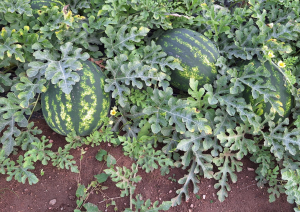
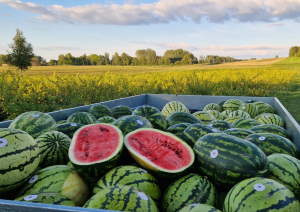
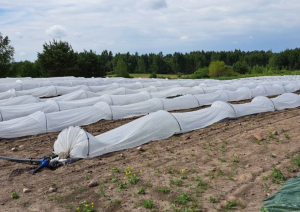
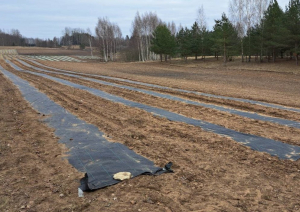
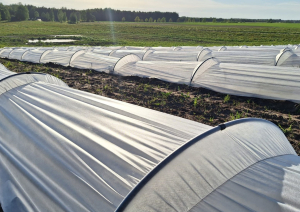
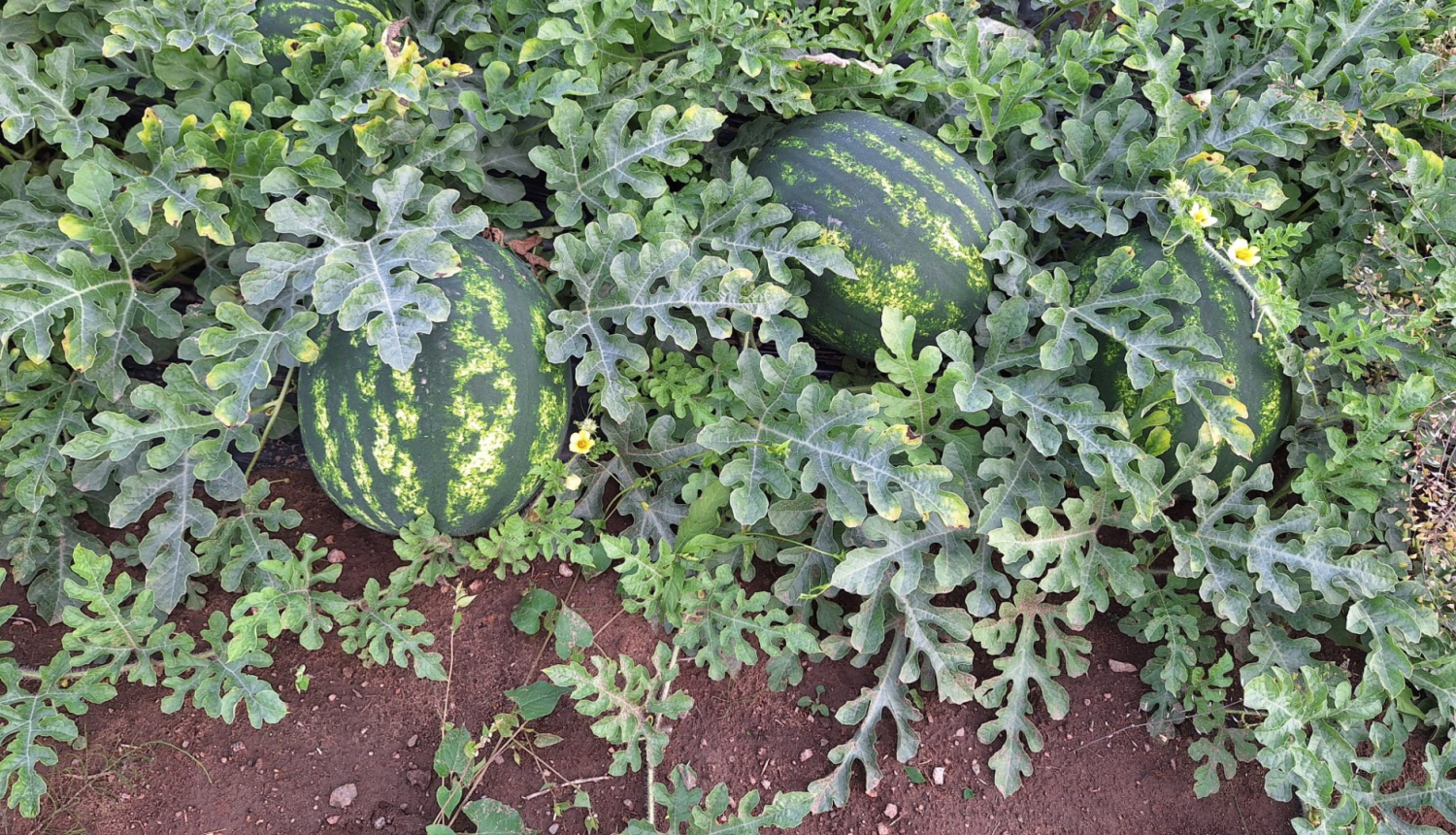
In addition to quinces, the farm has ventured into an unusual sector for Latvia by establishing a brand, "Larbūzs", for organic watermelon cultivation. Support measures have significantly facilitated the farm's growth by enabling the modernisation of its technical park. The purchased tractor, small seeder and mulcher have become essential for effective soil preparation and cultivation. Together with methods such as planting on black plastic sheeting and using agro-plastic sheeting, these technological advances have enabled good harvests to be achieved. Thanks to this technical support, Larbūzs has successfully entered the retail chain and specialised organic stores, proving that locally grown exotic fruit can be competitive and in demand.
The farm's operations are based on smart resource management, including the use of a seasonal farm worker programme during peak periods and organic fertilisers to improve crop quality. The current priority is to modernise the material and technical base, including installing an effective irrigation system for watermelons. With certified organic farm status and a strong brand, Ilze Dukaļska is looking confidently to the future. She plans to strengthen her position in Latvia and bring the Larbūzs name to the Estonian and Scandinavian markets.